
Is My Bunion Getting Worse? 7 Signs It's Time to Get Professional Advice
Have you noticed that the bump on the side of your big toe seems a little bigger than it used to be?
Perhaps your favourite shoes are starting to feel tight.
Maybe your big toe is leaning towards the others.
Or perhaps you've started avoiding certain shoes because you know they'll leave your feet aching by lunchtime.
And now you're wondering:
"Is my bunion getting worse? And should I actually do something about it?"
It's a question many people ask.
Bunions are common, and they don't always cause problems. Some people live comfortably with them for years.
But for others, bunions can gradually become more painful, make footwear difficult and interfere with everyday activities.
The tricky part is knowing when a bunion is simply changing shape and when it's time to seek professional advice.
At Derriford Therapies in Plymouth, we believe you shouldn't have to wait until walking becomes painful before asking questions about your foot health.
So, let's explore what bunions are, why they can get worse and the seven signs that suggest it's time to get your feet checked.
What Exactly Is a Bunion?
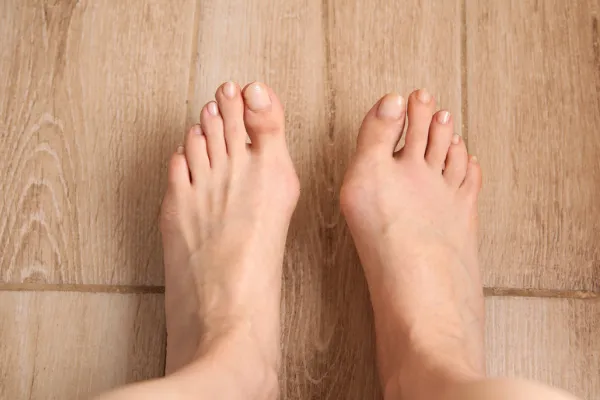
A bunion is a change in the position of the joint at the base of your big toe.
The medical name is hallux valgus.
That might sound complicated, but the basic idea is quite simple.
Normally, your big toe points forwards.
With a bunion, the big toe gradually angles towards your second toe.
At the same time, the joint at the base of the big toe becomes more prominent on the inside of your foot.
This creates the familiar bump that people associate with bunions.
But here's something important.
A bunion isn't simply a lump of extra bone growing on the side of your foot.
It's a change in the alignment of the bones and joint.
That's why rubbing away hard skin or applying a cream won't make the bunion itself disappear.
And it's also why treatment often focuses on managing symptoms, reducing pressure and helping you stay comfortable.
Why Do Bunions Get Worse?
There's rarely one simple explanation.
Bunions can develop because of a combination of factors, including:
Inherited foot shape
The structure of your joints
Changes in the way your feet function
Certain inflammatory conditions, such as rheumatoid arthritis
Footwear that places pressure on the toes
You may have noticed that bunions run in your family.
Perhaps a parent or grandparent had one.
That's not unusual.
Foot shape and joint structure can be inherited, which may make some people more likely to develop bunions.
However, having a family history doesn't mean you're guaranteed to develop a painful bunion.
Footwear can also affect comfort.
Narrow, pointed shoes may squeeze the toes and put pressure on an existing bunion.
High heels can increase pressure towards the front of the foot.
But bunions can develop in people who rarely wear these types of shoes too.
Over time, the position of the big toe may change further.
For some people, this happens very slowly.
For others, symptoms become more noticeable over a shorter period.
So, how can you tell when things are changing?
Here are seven signs worth paying attention to.
Sign 1: The Bump on the Side of Your Foot Looks Bigger
This is often the first change people notice.
Perhaps you look down at your feet and realise the bump beside your big toe is more noticeable than it used to be.
Or you compare your feet and see that one side looks different.
A bunion can become more prominent as the position of the big toe joint changes.
However, appearances can sometimes be misleading.
Swelling or irritation around the joint may also make the bump look larger.
A bigger-looking bunion doesn't always mean the underlying joint has changed significantly.
But if you've noticed a gradual increase in size, it's sensible to have it assessed.
A podiatrist can examine your foot and discuss whether further investigation is appropriate.
What Should You Look For?
Pay attention to whether:
The bump is becoming more prominent.
Your shoes are rubbing against it more often.
The skin over the joint is becoming irritated.
The shape of your forefoot seems to be changing.
You don't need to measure your bunion every morning.
But noticing gradual changes can help you decide when to seek advice.
Sign 2: Your Big Toe Is Leaning Further Towards Your Other Toes
One of the clearest signs of bunion progression is a change in the position of your big toe.
You may notice that it is gradually moving towards your second toe.
Sometimes the toes begin to touch.
In more advanced cases, the big toe may push against or overlap another toe.
This can create new pressure points.
And those pressure points can lead to additional problems.
For example, you might develop:
Corns between your toes
Rubbing on the side of your second toe
Hard skin underneath your foot
Discomfort when wearing enclosed shoes
If your toes are beginning to crowd together, it's worth getting professional advice before the pressure becomes painful.
Although non-surgical treatments can't reliably straighten an established bunion permanently, they may help manage discomfort and protect vulnerable areas.
Sign 3: Your Favourite Shoes Are Becoming Uncomfortable
This is a particularly common complaint.
You've worn the same style of shoes for years.
They've always been comfortable.
Then suddenly, they start rubbing against the side of your big toe.
Or perhaps you find yourself taking your shoes off the moment you get home.
Sometimes people assume their shoes have shrunk.
Unfortunately, shoes don't usually decide to become smaller overnight!
The problem may be that the shape of your forefoot has changed.
As a bunion becomes more prominent, it can make footwear feel tighter across the front of the foot.
You might notice:
Rubbing against the bunion
Red marks after removing shoes
Pressure across your toes
Blisters around the joint
Difficulty finding comfortable footwear
If you're regularly changing your footwear to avoid bunion pain, that's a good reason to seek advice.
You shouldn't have to choose between shoes that fit and being able to walk comfortably.
What Shoes Are Better for Bunions?
Look for footwear with:
A wide, rounded toe area
Enough room for your toes
Soft material around the bunion
A secure fit around the heel
A comfortable, stable sole
You don't necessarily need specialist shoes.
But you may need a different shape or width from the footwear you've worn previously.
And remember, a larger shoe size isn't always the answer.
Sometimes you need more width rather than more length.
Sign 4: Your Bunion Is Becoming Painful
Not all bunions hurt.
In fact, some people have quite noticeable bunions without experiencing much discomfort.
But if your bunion has started becoming painful, it's worth understanding why.
Pain may develop because of:
Pressure from footwear
Irritation around the joint
Inflammation of nearby soft tissues
Arthritis affecting the big toe joint
Changes in how pressure moves through your foot
You might experience a dull ache.
Perhaps the area becomes sore after a long walk.
Or maybe the joint feels uncomfortable when you push off your big toe.
New or increasing pain is a more useful reason to seek help than the size of the bunion alone.
A small bunion can be painful.
And a large bunion may cause very little discomfort.
It's how the condition affects you that matters.
When Is Bunion Pain More Concerning?
Seek assessment if pain:
Keeps returning
Is becoming more frequent
Makes you limp
Affects your normal walking
Stops you enjoying activities
Continues despite changing footwear
Sudden severe pain, marked redness, warmth or swelling shouldn't automatically be blamed on a bunion.
These symptoms may have another cause, such as gout or an infection, and may need prompt medical attention.
Sign 5: You're Developing Corns, Calluses or Blisters
A bunion doesn't only affect the big toe joint.
It can also change where pressure and friction occur around your foot.
As your toes become more crowded, certain areas may rub against each other or your footwear.
Over time, this can contribute to:
Corns on or between the toes
Hard skin underneath the forefoot
Blisters around the bunion
Red or irritated skin
Painful pressure points
Sometimes the corn becomes more uncomfortable than the bunion itself.
And you might find yourself treating the same area of hard skin again and again.
Here's the problem.
Removing a corn doesn't remove the pressure that caused it.
If the bunion continues creating friction, the corn may return.
A podiatrist can carefully manage suitable painful corns and calluses while discussing ways to reduce pressure.
This may include footwear advice or appropriate protective padding.
Avoid cutting corns yourself or using medicated corn plasters without suitable advice, particularly if you have diabetes, poor circulation or reduced sensation.
Sign 6: Your Big Toe Is Becoming Stiffer
Have you noticed that your big toe doesn't bend as comfortably as it used to?
Perhaps walking uphill feels awkward.
Or pushing off the ground causes discomfort.
Your big toe joint plays an important role in walking.
It needs to move as you step forwards.
When the joint becomes painful or stiff, you may begin changing the way you walk without even realising it.
However, stiffness isn't always caused by the bunion itself.
Arthritis and other joint conditions can also affect big toe movement.
One condition called hallux rigidus causes stiffness and arthritis in the big toe joint.
It can sometimes occur alongside a bunion or be mistaken for bunion-related pain.
If your big toe is becoming increasingly stiff, a proper assessment can help identify the cause.
Depending on the findings, treatment may involve footwear changes, activity advice or referral for further investigation.
Sign 7: Your Bunion Is Affecting Everyday Life
This is perhaps the most important sign of all.
Because the biggest question isn't always:
"How large is my bunion?"
Sometimes it's:
"How much is this affecting my life?"
Perhaps you've stopped going for longer walks.
Maybe standing at work has become uncomfortable.
Or perhaps you're turning down activities because you know your feet will hurt afterwards.
You might even find yourself planning your day around which shoes you can tolerate.
That's a lot of effort for one troublesome toe joint.
And it's not something you should simply accept.
If your bunion is affecting your mobility, comfort or confidence, professional advice may help you understand your options.
You don't need to wait until your bunion becomes severe before asking for help.
Can You Stop a Bunion From Getting Worse?
This is one of the questions people most want answered.
And it's important to be realistic.
There is no guaranteed non-surgical treatment that will stop every bunion from progressing.
Bunions can change over time, even when you wear sensible footwear.
However, there are ways to reduce discomfort and manage pressure.
These may include:
Choosing shoes with enough room for your toes
Avoiding footwear that repeatedly rubs the joint
Using suitable protective padding
Managing painful corns or calluses
Considering appropriate insoles for certain symptoms
Staying active within your comfort levels
Seeking advice when symptoms change
The aim of conservative treatment is usually to improve comfort and function, rather than permanently straighten the big toe.
And for many people, that can make a meaningful difference.
Do Bunion Correctors and Toe Separators Actually Work?
If you've searched online for bunion treatment, you've probably seen them.
Toe separators.
Bunion splints.
Corrective socks.
Silicone sleeves.
And all sorts of devices promising to straighten your toes.
Some of these products may help reduce rubbing or temporarily improve comfort.
For example, a soft toe separator may reduce friction between crowded toes for certain people.
But here's something important.
There's limited evidence that bunion correctors can permanently reverse an established bunion.
They don't reliably move the underlying bones back into their original position.
And some devices can actually cause more pressure if they're poorly fitted or used inside tight shoes.
If you're considering a bunion product, it's worth asking what it's realistically designed to achieve.
Comfort?
Pressure relief?
Or a permanent correction that may not be possible without surgery?
Understanding the difference can save disappointment and unnecessary expense.
Will Orthotics Help My Bunion?
Sometimes, depending on your symptoms.
Orthotics are inserts worn inside shoes to provide support, cushioning or pressure redistribution.
They may help some people manage discomfort associated with bunions.
For example, an appropriate insole might help reduce pressure on a painful area.
However, orthotics do not reliably straighten an established bunion or reverse the underlying joint changes.
And not everyone with a bunion needs them.
A simple footwear change may be more useful for some people.
Others may benefit from padding or professional treatment of painful corns.
The right approach depends on your individual needs.
If you're unsure whether insoles might help, read our related article:
Do I Really Need Orthotics? How to Tell When Shoe Inserts Might Help.
When Does a Bunion Need Surgery?
Not every bunion needs surgery.
In fact, many people manage their symptoms without an operation.
Surgery is usually considered when a bunion causes significant pain or affects everyday activities despite appropriate non-surgical treatment.
The decision isn't normally based on appearance alone.
Bunion surgery aims to correct the position of the bones and improve symptoms.
There are different surgical techniques, and the most suitable option depends on the individual.
However, surgery also involves risks and recovery time.
These may include:
Swelling
Infection
Stiffness
Ongoing discomfort
Recurrence of the bunion
Time away from certain activities
Bunion surgery isn't something to rush into, but it also shouldn't be dismissed if your symptoms are significantly affecting your life.
A specialist foot and ankle surgeon can explain the options, likely recovery and possible risks.
At Derriford Therapies, we believe in helping patients understand when further medical or surgical advice may be appropriate.
Seven Practical Ways to Make Bunions More Comfortable
While you can't always prevent a bunion from changing, there are some simple things you can try to reduce discomfort.
1. Choose Shoes With a Wider Toe Area
Your toes should have room to sit comfortably without being squeezed together.
2. Avoid Repeated Pressure on the Bunion
If a shoe rubs directly against the joint, consider a different fit or material.
3. Try Suitable Protective Padding
Soft padding may help reduce friction, provided it doesn't make your shoe tighter.
4. Don't Ignore Painful Corns
Professional treatment can help manage painful hard skin caused by pressure.
5. Consider Your Daily Activities
If a particular activity causes discomfort, adjusting how much you do may help while you seek advice.
6. Be Careful With Bunion Devices
Avoid products that cause pain, numbness or new pressure marks.
7. Get Advice Before Symptoms Become Severe
If your bunion is affecting your walking or footwear choices, an assessment may help you understand your options.
Small changes won't make every bunion disappear, but they may help you stay more comfortable.
When Should You See a Podiatrist About a Bunion?
Consider booking an appointment if:
Your bunion appears to be getting bigger.
Your big toe is moving towards your other toes.
You're developing painful corns or calluses.
Your shoes regularly rub against the joint.
Your big toe is becoming stiff.
You're experiencing recurring pain.
Your bunion is affecting walking or everyday activities.
You should seek prompt medical advice if you develop sudden severe pain, marked swelling, spreading redness or signs of infection.
If you have diabetes, poor circulation or reduced feeling in your feet, get early advice about any rubbing, blisters or broken skin around a bunion.
A bunion doesn't have to be an emergency to deserve professional attention.
How Can Derriford Therapies Help With Bunions in Plymouth?
At Derriford Therapies, we understand that bunions can be frustrating.
They may affect your footwear choices, make walking uncomfortable and cause repeated problems with corns or hard skin.
Our HCPC-registered podiatrists can assess your foot health and discuss symptoms that may be linked to a bunion.
Depending on your needs, your appointment may include:
A Professional Foot Health Assessment
We'll examine the relevant areas and discuss how your symptoms are affecting everyday life.
Corn and Callus Treatment
If your bunion is contributing to painful hard skin, we can carefully manage suitable areas.
Footwear Advice
We'll discuss practical ways to reduce pressure and improve comfort.
Skin and Nail Care
If crowded toes are causing rubbing or nail discomfort, we can assess and manage appropriate concerns.
Advice About Further Treatment
If your symptoms suggest that specialist assessment, orthotic advice, physiotherapy or surgical opinion may be appropriate, we'll explain the next steps.
And here's something important.
We won't promise that a cream, pad or routine podiatry appointment can make your bunion disappear.
Because that wouldn't be honest.
Instead, our aim is to help you understand your foot health, manage suitable symptoms and make informed decisions about your care.
Why Choose Derriford Therapies?
We're a friendly, approachable podiatry clinic based in Plymouth, helping people look after their feet since 2022.
Led by Clinical Director Chelsea Louise Tritschler, our HCPC-registered team believes in professional care, honest advice and making patients feel comfortable.
Our clinic offers:
Bright, modern treatment rooms
Ground-floor access with a disabled access ramp
Convenient free parking nearby
Simple online booking
Friendly reception support
Appointments tailored to your individual needs
Whether you're concerned about a painful bunion, recurring corns or uncomfortable footwear, we're here to help.
And please don't feel embarrassed about showing us your feet.
Bunions are common.
We've seen plenty of them.
You won't be the first person to tell us you've spent years trying to find shoes that don't rub!
Don't Wait Until Your Bunion Stops You Doing What You Love
Bunions don't always cause pain.
And having a bunion doesn't automatically mean you need treatment or surgery.
But if the joint is becoming more uncomfortable, your toes are changing position or everyday activities are becoming difficult, it's worth seeking advice.
The most important warning sign isn't necessarily how big your bunion looks. It's how much it's affecting your comfort and mobility.
If you're worried your bunion is getting worse, our friendly team at Derriford Therapies in Plymouth is happy to help you understand your options.
Book a podiatry appointment online or give our reception team a call to discuss your concerns.
Because your feet should help you enjoy everyday life.
Not leave you standing in front of your shoe cupboard wondering which pair will hurt the least!
Derriford Therapies — helping Plymouth put its best foot forward.