
Why Does the Skin on My Heels Peel? Common Causes and When to Get Help
Why Does the Skin on My Heels Peel? Common Causes and When to Get Help
Have you ever taken your socks off and noticed little flakes of skin around your heels?
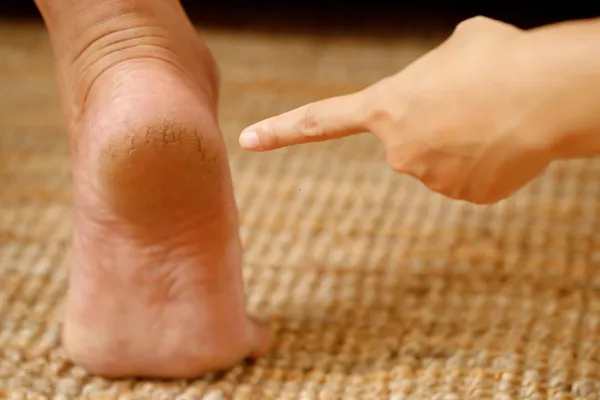
Perhaps your heels look dry and rough.
Maybe the skin is peeling away in small patches.
Or perhaps you've caught yourself picking at a loose bit of skin, only to discover it was rather more attached than you thought.
Ouch!
Peeling skin on your heels can be annoying, uncomfortable and sometimes a little embarrassing.
And while it's tempting to assume your feet just need a good scrub and some moisturiser, peeling heels aren't always caused by dry skin.
There are several possible reasons why the skin on your heels might peel, including friction, fungal infections, eczema and other skin conditions.
At Derriford Therapies in Plymouth, we regularly help patients with dry, thickened and uncomfortable skin on their feet.
So, if your heels have started shedding skin like they're preparing for a new pair, let's explore what might be happening and what you can do about it.
Is It Normal for the Skin on Your Heels to Peel?
Your skin is constantly renewing itself.
Old skin cells are naturally shed as new ones develop underneath.
Most of the time, you don't even notice this happening.
However, the skin on your heels is a little different from the skin on many other parts of your body.
It's designed to cope with pressure, movement and the weight of your body.
As a result, it can become thicker and drier, particularly if you spend a lot of time standing or walking.
Sometimes, this thickened skin begins to flake or peel.
A small amount of peeling isn't always a cause for concern, but repeated peeling, itching, pain or cracking may suggest something needs attention.
The key is understanding what's causing it.
1. Dry Skin: One of the Most Common Causes
Let's start with the obvious possibility.
Dry skin.
Your heels have fewer oil glands than some other areas of your body, and the skin can lose moisture over time.
When the skin becomes too dry, it may start to feel tight, rough or flaky.
You might notice:
White, flaky patches
Rough or thickened skin
Small pieces of skin peeling away
Tightness around the heels
Fine cracks in the skin
Dry skin can become more noticeable during colder weather, after frequent hot showers or when you're spending a lot of time in open-backed shoes.
As we get older, our skin may also become less effective at retaining moisture.
If your heels are peeling because they're dry, regular moisturising may help improve their condition.
However, if the skin is also itchy, inflamed or peeling across other parts of your feet, there may be another explanation.
2. Hard Skin and Calluses
Have you noticed that your heels feel unusually thick or rough?
You may have a build-up of hard skin, also known as callus.
Callus develops when your skin responds to repeated pressure or friction.
It's essentially your body's way of protecting an area that experiences a lot of stress.
Common causes include:
Standing for long periods
Walking on hard surfaces
Shoes that don't fit properly
Open-backed footwear
Changes in the way pressure is distributed across your feet
Over time, the hard skin may become dry and begin to peel.
Sometimes it can also develop painful cracks.
Removing the peeling skin without addressing the pressure may mean the problem keeps returning.
A podiatrist can carefully manage excessive hard skin and offer advice on reducing the pressure that contributes to it.
3. Athlete's Foot Can Affect Your Heels Too
When most people think of athlete's foot, they imagine itchy skin between the toes.
And that's certainly a common place for it to appear.
But athlete's foot can also affect the soles and heels.
Athlete's foot is a fungal skin infection.
One form can cause dry, flaky or peeling skin across the bottom of the feet, sometimes extending around the sides and heels.
This is sometimes called moccasin-type athlete's foot because the affected area can resemble the shape of a moccasin shoe.
Symptoms may include:
Peeling or scaling skin
Dryness across the soles
Itching or burning
Redness
Thickened skin
Cracks around the heels
Here's where things become confusing.
Fungal infections can sometimes look very similar to ordinary dry skin.
And if you're applying moisturiser without addressing a fungal infection, the peeling may continue.
A pharmacist can advise on antifungal treatment for suspected athlete's foot.
If the problem keeps returning, doesn't improve or you're unsure what's causing it, a professional assessment may be helpful.
You can also read our article: Athlete's Foot Treatment in Plymouth: Why That Itch Keeps Coming Back.
4. Eczema and Skin Irritation
Eczema is another possible cause of peeling heels.
Eczema happens when the skin becomes inflamed and its protective barrier doesn't work as well as it should.
This can lead to dryness, itching, redness and peeling.
Some people develop eczema on their feet because of irritation or an allergic reaction.
Possible triggers include:
Certain shoe materials
Dyes or adhesives in footwear
Fragranced creams
Laundry products
Excessive sweating
You might notice that your skin becomes itchy or uncomfortable after wearing particular shoes.
Or perhaps a new foot cream seems to make things worse rather than better.
If your heels are peeling and the skin is itchy, red or irritated, eczema or contact dermatitis could be involved.
Contact dermatitis simply means skin inflammation caused by something that touches your skin.
Treatment depends on the cause, so getting the right advice matters.
5. Psoriasis Can Cause Thick, Peeling Skin
Psoriasis is a long-term skin condition that causes skin cells to build up more quickly than usual.
This can lead to thick, scaly patches.
Although psoriasis is often associated with the elbows, knees or scalp, it can also affect the feet.
When it develops on the soles or heels, it may cause:
Thickened skin
Scaling or peeling
Red or inflamed patches
Painful cracks
Dryness that doesn't improve with ordinary moisturiser
Sometimes psoriasis on the feet can look similar to athlete's foot.
And because the treatments are different, it's important not to assume the cause.
If you have persistent peeling skin, especially alongside psoriasis elsewhere on your body, speak to your GP or another appropriate healthcare professional.
A podiatrist can also help assess the condition of your feet and advise on suitable routine foot care.
6. Friction From Shoes and Sandals
Sometimes peeling heels are caused by something as simple as your footwear.
Shoes that repeatedly rub against your heels can irritate the skin.
This may happen if your shoes are:
Too tight
Too loose
Stiff around the heel
Poorly fitted
Worn without suitable socks
Repeated rubbing can cause redness, blisters and damaged skin.
As the skin recovers, the outer layer may begin to peel.
You might notice peeling exactly where the back of your shoe touches your heel.
If the peeling is linked to friction, changing your footwear may help prevent it from happening again.
Choose shoes that fit securely without rubbing, and gradually get used to new footwear before wearing it for long periods.
Your feet shouldn't have to suffer just because a pair of shoes looks lovely.
7. Excessive Sweating and Moisture
We often associate peeling skin with dryness.
But too much moisture can also cause problems.
If your feet spend long periods inside damp socks or sweaty shoes, the skin can become softened and more vulnerable to damage.
This is known as maceration.
It simply means the skin has become overly wet and softened.
Although maceration is more common between the toes, prolonged moisture can affect other areas of the feet too.
Sweaty footwear can also create conditions that encourage fungal infections.
If your feet regularly feel damp, try:
Changing socks when they become sweaty
Wearing breathable footwear
Allowing shoes to dry between uses
Drying your feet carefully after washing
Keeping your feet comfortably dry can help protect the skin and reduce irritation.
8. Peeling After a Blister or Sunburn
Have you recently had a blister on your heel?
Or perhaps you've spent a little too long in the sun wearing sandals?
Both can cause the skin to peel as it heals.
After a blister, the damaged outer skin may gradually loosen as new skin develops underneath.
Similarly, sunburn can cause peeling several days after the initial redness.
The important thing is to avoid pulling away skin that's still attached.
Peeling or picking at damaged skin can expose tender areas and increase the risk of infection.
If the skin is broken, keep it clean and protected with an appropriate dressing.
Seek advice if you notice increasing pain, redness, swelling or discharge.
Why Do My Heels Keep Peeling Even Though I Moisturise?
This is a particularly common frustration.
You've bought a foot cream.
You've applied it regularly.
You've even remembered to put it on before bed.
And yet your heels still look like they're trying to shed their skin.
Why?
Well, there are a few possibilities.
Firstly, the moisturiser may not be suitable for the type or severity of dryness.
Secondly, excessive hard skin may need professional management.
Thirdly, repeated pressure from footwear may be contributing.
And finally, the peeling might not be caused by dry skin at all.
If the problem is fungal, inflammatory or related to another skin condition, moisturiser alone may not solve it.
That's why persistent peeling is worth getting assessed rather than endlessly trying different creams.
Should You Peel the Loose Skin Off Your Heels?
It's tempting, isn't it?
You notice a little flap of skin and think:
"I'll just remove that."
But pulling at peeling skin can cause more damage than you expect.
The skin underneath may still be delicate.
Removing attached skin can create a sore or open area.
And once the protective skin barrier is broken, bacteria have an opportunity to enter.
Avoid picking, peeling or cutting away loose skin yourself.
You should also be careful with sharp foot scrapers and aggressive filing.
These can damage healthy skin, especially if you have diabetes, poor circulation or reduced sensation in your feet.
If you have thick or uncomfortable hard skin, professional podiatry care is a safer option.
What Can You Do at Home for Peeling Heels?
If your peeling heels are mild and there are no signs of infection or significant skin damage, some simple steps may help.
1. Moisturise Regularly
Apply a suitable foot moisturiser to clean, dry heels.
Creams containing urea can be helpful for dry, thickened skin because they help the skin retain moisture and soften excess hard skin.
The right strength depends on your skin's condition.
Avoid applying strong products to open cracks or broken skin unless advised by a healthcare professional.
2. Avoid Very Hot Water
Long, hot showers can leave your skin feeling drier.
Try using warm water instead.
3. Choose Comfortable Footwear
Shoes that fit properly can help reduce friction and pressure.
If open-backed shoes seem to make your heels worse, try footwear that provides more support around the heel.
4. Dry Your Feet Carefully
After washing, dry your feet gently, including between the toes.
Avoid vigorous rubbing.
5. Don't Overdo the Foot File
Gentle foot care may be suitable for some people, but aggressive filing can damage your skin.
If you have diabetes, reduced sensation or circulation problems, avoid self-removing hard skin.
6. Watch for Changes
Pay attention to whether the peeling is spreading, becoming painful or developing cracks.
If it's not improving, seek advice.
The best home care depends on the cause, so don't keep treating persistent peeling as ordinary dryness if nothing is changing.
When Should You See a Podiatrist About Peeling Heels?
Occasional dry, flaky skin may improve with simple care.
But there are times when a professional foot assessment is sensible.
Consider booking an appointment if:
Your heels keep peeling despite regular moisturising.
You have thick, uncomfortable hard skin.
Your heels are developing cracks.
Walking is becoming uncomfortable.
You're unsure whether the problem is fungal.
The peeling keeps returning.
You struggle to manage your feet safely at home.
A podiatrist can assess the skin, manage suitable areas of hard skin and discuss whether further treatment is needed.
However, some symptoms need more urgent medical attention.
Seek prompt medical advice if you notice increasing redness, warmth, swelling, pus or worsening pain.
If you have a fever or rapidly spreading redness, seek urgent care.
And if you have diabetes, poor circulation or reduced feeling in your feet, seek early advice about new cracks, blisters or broken skin.
These problems can carry greater risks and shouldn't be left untreated.
Can Peeling Heels Turn Into Cracked Heels?
Yes, sometimes.
When the skin around your heels becomes dry and thickened, it can lose some of its flexibility.
As you stand and walk, pressure causes the heel to spread slightly.
If the skin isn't flexible enough, it may split.
These splits are called heel fissures.
Some are shallow.
Others can become deep, painful or even bleed.
Managing dry, thickened skin early may help reduce the risk of painful heel cracks developing.
If your heels are already cracked, professional assessment can help determine the most appropriate care.
How Can Derriford Therapies Help With Peeling Heels in Plymouth?
At Derriford Therapies, we believe that foot care should be about more than simply making your feet look tidy.
It's about keeping them comfortable, healthy and ready for everyday life.
Our HCPC-registered podiatrists can assess peeling, dry or thickened skin and help identify possible contributing factors.
Depending on your needs, your appointment may include:
A Professional Foot Health Assessment
We'll examine your skin and discuss how long the peeling has been happening.
Hard Skin and Callus Treatment
If excessive hard skin is contributing to discomfort, we can carefully reduce it where appropriate.
Cracked Heel Care
We can assess heel cracks and discuss suitable ways to protect and manage the skin.
Moisturising and Skin Care Advice
We'll recommend practical habits and suitable products based on your individual needs.
Footwear Advice
If friction or pressure is contributing to the problem, we'll discuss possible changes.
Advice About Fungal or Inflammatory Skin Conditions
If the appearance suggests athlete's foot, eczema or another condition, we'll explain the appropriate next steps, including when pharmacy treatment, testing or GP assessment may be needed.
And here's something we feel strongly about.
We won't assume every peeling heel simply needs more moisturiser.
Because sometimes the cause is more complicated than that.
Our job is to help you understand what's happening and make informed choices about your foot health.
Why Choose Derriford Therapies?
We're a friendly podiatry clinic based in Plymouth, helping people look after their feet since 2022.
Led by Clinical Director Chelsea Louise Tritschler, our HCPC-registered team believes in honest advice, professional treatment and making patients feel comfortable.
Our clinic offers:
Bright, modern treatment rooms
Ground-floor access with a disabled access ramp
Convenient free parking nearby
Simple online booking
Friendly reception support
Care tailored to your individual needs
Whether you're struggling with peeling heels, painful hard skin or cracked skin, we're here to help.
And please don't feel embarrassed about showing us your feet.
Dry skin, peeling heels and thickened calluses are things we see regularly.
You certainly won't shock us!
Don't Ignore Heels That Keep Peeling
Peeling skin on your heels can have several possible causes.
Sometimes it's simply dryness.
Sometimes it's pressure, friction or a build-up of hard skin.
And sometimes it's a fungal infection, eczema, psoriasis or another skin condition.
The important thing is understanding why the peeling is happening rather than just removing the loose skin.
If your heels are persistently dry, peeling, cracked or uncomfortable, our friendly team at Derriford Therapies in Plymouth is happy to help.
Book a podiatry appointment online or give our reception team a call to discuss your concerns.
Because your heels work hard enough already.
They deserve a little care in return.
Derriford Therapies — helping Plymouth put its best foot forward.