![Non US - Podiatry [SNAPSHOT]](https://images.leadconnectorhq.com/image/f_webp/q_80/r_1200/u_https://assets.cdn.filesafe.space/JmxfbASJamGHvnyGIV0D/media/6a4b8013b10447eb52403dfa.png )
Tips & Advice From Derriford Therapies
Athlete's Foot Treatment in Plymouth: Why That Itch Keeps Coming Back
You know that annoying itch between your toes?
The one that seems to appear out of nowhere, usually when you're wearing shoes and can't do much about it.
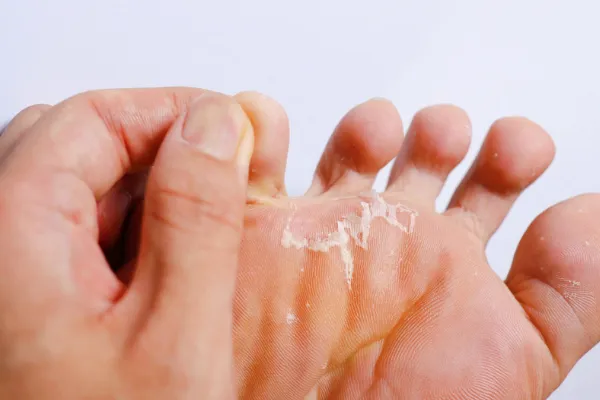
Perhaps you've noticed some peeling skin, a little redness or a crack between your toes that stings when you walk.
So you pop to the chemist, buy a cream and start treating it.
A few days later, things seem much better.
Brilliant!
Problem solved.
Except a few weeks later, that familiar itch returns.
And suddenly, you're back to square one.
Sound familiar?
At Derriford Therapies in Plymouth, we know how frustrating recurring foot problems can be.
Athlete's foot is a common fungal skin infection, and while it's often straightforward to treat, it can sometimes keep returning.
The good news is that understanding why it comes back can help you break the cycle.
So, why does athlete's foot seem so determined to make itself at home between your toes?
Let's find out.
What Exactly Is Athlete's Foot?
Despite its name, you don't need to be an athlete to get athlete's foot.
You don't even need to own a pair of trainers.
Athlete's foot, also known as tinea pedis, is a fungal infection affecting the skin on your feet.
The fungi responsible enjoy warm, damp environments.
And unfortunately, the spaces between your toes can provide exactly that.
Especially when your feet spend hours tucked inside socks and shoes.
Common symptoms include:
Itching or burning between the toes
White, peeling or flaky skin
Redness or irritation
Small cracks in the skin
Dry, scaly patches on the soles
Sometimes small blisters
Soreness when walking
Athlete's foot often starts between the fourth and fifth toes, although it can spread to other areas.
And here's something important.
Not every itchy or peeling foot problem is caused by fungus.
Eczema, contact dermatitis and other skin conditions can look surprisingly similar.
That's why it's worth getting professional advice if treatment isn't working.
1. You Might Be Stopping Treatment Too Soon
This is one of the most common reasons athlete's foot appears to return.
You buy an antifungal cream.
You apply it for a few days.
The itching settles, the skin looks better and you think, "Lovely, that's sorted."
So you stop using it.
Unfortunately, improving symptoms don't always mean the infection has completely cleared.
Different antifungal treatments need to be used for different lengths of time.
Some work over a shorter period, while others need to be applied for several weeks.
Stopping before completing the recommended course may allow the infection to persist.
The solution?
Follow the instructions for the treatment you're using, even if your feet start feeling better before the course is finished.
If you're unsure which treatment is suitable, your pharmacist can help.
And if the problem keeps returning despite using treatment correctly, it's worth having your feet assessed.
2. Your Shoes Might Be Helping the Fungus Survive
We all have a favourite pair of shoes.
The comfortable ones.
The reliable ones.
The ones we wear so often that they practically deserve their own place at the dinner table.
But if your feet sweat inside them every day, those shoes may be contributing to the problem.
Fungi thrive in warm, moist conditions.
And shoes that remain damp can create an environment where fungal organisms survive.
This may increase the chance of reinfection.
If you're treating athlete's foot but repeatedly putting your feet back into damp footwear, you may be making it harder to keep the problem under control.
A few simple habits may help:
Allow shoes to dry thoroughly between wears.
Alternate footwear when possible.
Change socks if they become sweaty.
Choose breathable footwear where practical.
Follow appropriate cleaning advice for your shoes.
You don't necessarily need to throw away your favourite trainers.
But giving them time to dry is a good start.
3. You're Not Drying Between Your Toes Properly
Most of us are pretty good at remembering to wash our feet.
Drying them properly?
That's another matter.
It's easy to give your feet a quick wipe with a towel and carry on with your day.
But moisture can remain trapped between your toes.
And that's exactly the sort of environment athlete's foot enjoys.
Damp skin between the toes can encourage fungal growth and make the skin more vulnerable to irritation.
After washing, gently pat between each toe with a clean towel.
There's no need to scrub.
In fact, aggressive rubbing can damage skin that's already sore or cracked.
The aim is simply to leave the area clean and dry.
It's a small habit, but it can make a useful difference.
4. You Could Be Picking Up the Infection Again
Athlete's foot is contagious.
That means it can spread through contact with infected skin or contaminated surfaces.
Communal changing rooms, swimming pool areas and shared showers can sometimes provide opportunities for infection to spread.
The fungus can also be transferred through shared towels, socks or footwear.
If you're repeatedly exposed, you may develop another infection even after the previous one has cleared.
To reduce the risk:
Wear flip-flops or pool shoes in communal wet areas.
Avoid sharing towels, socks or shoes.
Wash towels and socks regularly.
Keep your feet clean and dry.
Avoid walking barefoot in shared changing areas.
You don't need to become frightened of every swimming pool floor.
Just take a few sensible precautions.
5. Your Toenails Might Be Part of the Problem
Here's something that surprises people.
Athlete's foot and fungal toenail infections can sometimes occur together.
The fungi responsible for athlete's foot can also infect toenails.
When this happens, the nails may become yellow, thickened, brittle or crumbly.
And if a fungal nail infection remains untreated, it may act as a source of fungus that contributes to recurring skin infections.
This doesn't mean every thick or yellow toenail is fungal.
Previous injuries, pressure from footwear and other nail conditions can cause similar changes.
But if you have recurring athlete's foot alongside unusual toenail changes, it's worth having both assessed.
Treating the skin while overlooking a possible fungal nail infection may make long-term management more difficult.
6. It Might Not Be Athlete's Foot at All
This is an important one.
Just because your feet itch doesn't automatically mean you have a fungal infection.
Several other skin conditions can cause similar symptoms.
For example:
Eczema
This can cause dry, itchy, inflamed or cracked skin.
Contact dermatitis
This happens when your skin reacts to something it has touched, such as certain soaps, creams or materials in footwear.
Psoriasis
This skin condition can cause thickened, scaly or irritated patches.
Moisture damage
Skin that remains damp for long periods can become white, soft and fragile, even without a fungal infection.
And here's the problem.
If you're repeatedly using antifungal creams on something that isn't fungal, you may not see much improvement.
Sometimes the best next step isn't buying another treatment. It's finding out what's actually causing the problem.
A podiatrist can assess your feet and advise whether further testing or medical assessment is needed.
7. Your Feet Might Be Sweating More Than You Realise
Some people naturally sweat more than others.
And feet contain a surprisingly large number of sweat glands.
If your feet become very sweaty during the day, moisture can build up inside your socks and shoes.
This creates conditions that encourage fungal growth.
You might notice:
Socks becoming damp during the day
Shoes developing an unpleasant smell
White or softened skin between your toes
Repeated itching or irritation
If this sounds familiar, managing moisture may be an important part of preventing athlete's foot from returning.
Changing socks during the day, choosing suitable footwear and allowing shoes to dry properly can all help.
A pharmacist or healthcare professional can also advise on products for excessive foot sweating where appropriate.
Can Athlete's Foot Spread to Other Parts of Your Body?
Yes, it can.
The fungi responsible for athlete's foot can sometimes spread to other areas of the body.
For example, fungal infections may develop in the groin or affect the hands.
Scratching infected skin and then touching other areas can contribute to spreading the infection.
This is another reason why good hygiene matters.
Wash your hands after touching affected skin or applying treatment.
Avoid sharing towels.
And try not to scratch, even when the itching is particularly annoying.
We know.
Easier said than done!
What's the Best Way to Treat Athlete's Foot?
For many people, athlete's foot can be treated with antifungal medication available from a pharmacy.
These treatments may come as creams, sprays or powders.
The most suitable option depends on your symptoms and individual circumstances.
A pharmacist can help you choose an appropriate treatment.
The important thing is to use it exactly as directed.
Alongside treatment, good foot hygiene can help reduce the chance of the infection returning.
That means:
Washing your feet regularly
Drying carefully between your toes
Changing sweaty socks
Allowing footwear to dry
Avoiding shared towels and shoes
Checking for signs of fungal nail infection
If the infection doesn't improve after the recommended treatment course, keeps returning or affects a large area, seek professional advice.
Some infections need prescription treatment or further investigation.
Should You Use Home Remedies for Athlete's Foot?
A quick internet search will reveal all sorts of suggested remedies.
Vinegar soaks.
Tea tree oil.
Baking soda.
And probably a few things that belong in your kitchen cupboard rather than on your feet.
The problem is that many home remedies have limited evidence behind them.
Some can also irritate or damage already inflamed skin.
If your skin is cracked, sore or peeling, applying strong household products may make things worse.
It's generally safer to use a suitable antifungal treatment recommended by a pharmacist or healthcare professional.
And if you're not sure the problem is fungal, get it checked before experimenting.
Your feet deserve better than becoming a home science project!
When Should You See a Podiatrist About Athlete's Foot?
Many mild cases of athlete's foot improve with pharmacy treatment.
But there are times when professional advice is sensible.
Consider arranging an assessment if:
The infection keeps coming back.
Your skin remains itchy or peeling despite treatment.
You have painful cracks between your toes.
Your toenails are also changing colour or thickness.
You're unsure whether the problem is fungal.
Your symptoms are affecting walking or everyday comfort.
Seek prompt medical advice if you develop increasing redness, warmth, swelling, discharge or worsening pain.
These can be signs of a bacterial infection.
If redness is spreading quickly, you develop a fever or feel generally unwell, seek urgent medical attention.
People with diabetes, poor circulation or weakened immune systems should seek medical advice early if they suspect athlete's foot, particularly when the skin is broken.
How Can Derriford Therapies Help With Athlete's Foot in Plymouth?
At Derriford Therapies, we understand how frustrating recurring foot problems can be.
Especially when you've already tried several treatments and still aren't getting anywhere.
Our HCPC-registered podiatrists can assess your foot health and help identify possible reasons for ongoing irritation.
Depending on your symptoms, your appointment may involve:
Examining the affected skin
Looking at areas of peeling, cracking, redness or irritation.
Checking your toenails
Assessing whether nail changes could suggest a fungal infection or another nail condition.
Discussing your footwear and daily habits
Helping you identify factors that may be contributing to excess moisture or irritation.
Providing practical foot care advice
Explaining sensible ways to look after your skin and reduce the risk of recurring problems.
Recommending further assessment when needed
If your symptoms suggest a condition requiring medical treatment or testing, we'll explain the appropriate next steps.
Our aim is to help you understand what's happening rather than simply guessing at the cause.
And if something needs treatment from your GP or pharmacist, we'll tell you.
Because good foot care starts with honest advice.
How Can You Help Stop Athlete's Foot Coming Back?
Once your infection has cleared, a few everyday habits may help reduce the risk of another episode.
Keep your feet dry.
Pay particular attention to the spaces between your toes.
Change your socks regularly.
Especially if your feet sweat heavily.
Rotate your footwear.
Allow shoes to dry properly between uses.
Protect your feet in communal areas.
Wear suitable footwear in shared showers and changing rooms.
Don't share towels or shoes.
This can reduce the risk of spreading fungal infections.
Check your toenails.
Unusual nail changes may need assessment.
Finish treatment as directed.
Even when your symptoms improve, follow the recommended course for your antifungal medication.
And if the same problem keeps returning, don't just keep buying another tube of cream.
Find out why.
Why Choose Derriford Therapies?
We're a friendly podiatry clinic based in Plymouth, helping patients look after their feet since 2022.
Our HCPC-registered podiatrists believe in providing professional care without making things unnecessarily complicated.
We offer:
Bright, modern treatment rooms
Ground-floor access with a disabled access ramp
Convenient free parking nearby
Easy online appointment booking
Friendly reception support
Clear, honest advice about your foot health
Whether you're dealing with recurring itchy skin, troublesome toenails or another foot concern, we're here to help you understand your options.
And please don't feel embarrassed about showing us your feet.
We've seen plenty of peeling skin, thick nails and troublesome toes.
It takes quite a lot to surprise a podiatrist!
Don't Let Athlete's Foot Become a Regular Visitor
Athlete's foot might be common, but that doesn't mean you have to accept the same annoying itch returning every few weeks.
Sometimes the problem is linked to stopping treatment too early.
Sometimes footwear and moisture are contributing.
And sometimes the skin condition you're treating isn't actually athlete's foot at all.
The key is understanding why the problem keeps returning and taking the right steps to manage it.
If you're struggling with recurring itchy, peeling or cracked skin on your feet, our friendly team at Derriford Therapies in Plymouth is happy to help.
Book a podiatry appointment online or give our reception team a call to discuss your concerns.
Because the only thing that should keep coming back to your feet is a comfortable pair of shoes!
Derriford Therapies — helping Plymouth put its best foot forward.

Ask Derriford Therapies And Their Team
Fill in the form to request a call from our team. One of our team members will call you for FREE and answer any questions or concerns you may have about your condition
Where To Find Derriford Therapies
If you have any questions before scheduling an appointment or for general inquiries, please use the contact us button below. Our team will promptly reach out to assist you.
Opening Hours
Monday: 09.30- 17.30
Tuesday: 09.30- 17.30
Wednesday: 08.30- 17.30
Thursday: 08.30- 17.30
Friday: 08.30- 17.30
Saturday: By appointment only
Sunday: Closed