![Non US - Podiatry [SNAPSHOT]](https://images.leadconnectorhq.com/image/f_webp/q_80/r_1200/u_https://assets.cdn.filesafe.space/JmxfbASJamGHvnyGIV0D/media/6a4b8013b10447eb52403dfa.png )
Tips & Advice From Derriford Therapies
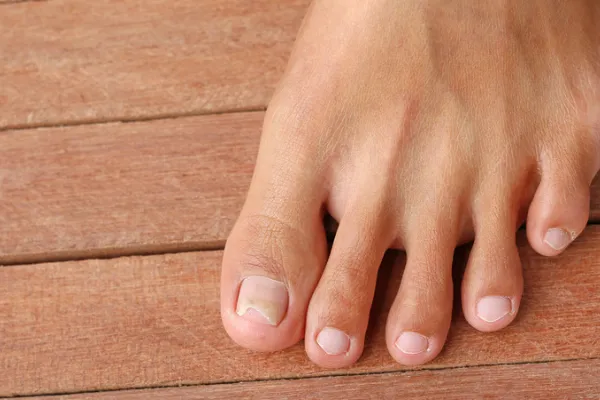
Painful Cracked Skin Between Your Toes? When to See a Podiatrist in Plymouth
Have you ever taken your socks off at the end of the day and noticed that the skin between your toes looks a little worse for wear?
Perhaps it's white and soggy-looking, peeling around the edges or has developed a small crack that stings every time you walk.
And naturally, your first thought is probably, "Oh, that'll sort itself out."
So you put your socks back on and forget about it.
Until the next day, when that tiny crack starts feeling like a rather large problem.
Cracked skin between your toes might seem minor, but it can become surprisingly painful if left untreated.
At Derriford Therapies in Plymouth, we know that even small skin problems can make everyday activities uncomfortable.
The good news is that there are several common reasons why skin between your toes becomes sore or cracked.
And once you understand what's causing it, you can take sensible steps towards getting it better.
Why Does the Skin Between Your Toes Crack?
The skin between your toes is a little different from the skin on the soles of your feet.
It's softer, more delicate and spends much of the day tucked away inside socks and shoes.
Not exactly the most glamorous living conditions!
This area can become warm and damp, particularly if your feet sweat or your shoes don't allow much air to circulate.
Too much moisture can soften and weaken the skin.
This is called maceration.
It's the medical term for skin that becomes overly soft and fragile after being exposed to moisture for too long.
Once the skin becomes weakened, it can split, peel or develop painful cracks.
But moisture isn't the only possible cause.
Let's look at some of the most common reasons.
1. Athlete's Foot: A Common Cause of Cracked Skin
One of the most common causes of peeling and cracked skin between the toes is athlete's foot.
Despite the name, you don't need to be particularly athletic to develop it.
You don't even need to own a pair of trainers.
Athlete's foot is a fungal skin infection that often develops in warm, moist areas of the feet.
The fungus thrives in places where sweat and moisture collect, especially between the toes.
Common symptoms include:
Itching or burning between the toes
White, peeling or flaky skin
Redness and irritation
Small cracks or splits
Soreness when walking
Sometimes an unpleasant smell
The infection often starts between the fourth and fifth toes, although it can affect other areas too.
If the skin keeps peeling, itching or cracking, athlete's foot may be one possible explanation.
However, not every skin problem between the toes is fungal.
That's why getting the right advice matters.
2. Too Much Moisture Can Damage Your Skin
Your feet contain lots of sweat glands.
And if you spend long hours in enclosed shoes, moisture can build up throughout the day.
When the skin between your toes stays damp for too long, it may become white, soft and fragile.
This makes it easier for the skin to split.
You might notice the problem becoming worse after:
Wearing work boots all day
Exercising in enclosed footwear
Spending long periods in sweaty socks
Not drying carefully between your toes
Wearing shoes that don't allow much airflow
The important thing is to keep the area clean and dry without rubbing or damaging the skin.
A gentle pat with a clean towel is usually better than enthusiastic scrubbing.
Your toes don't need exfoliating like a kitchen worktop!
3. Dry Skin Can Also Cause Cracks
Although moisture is a common problem between the toes, very dry skin can sometimes cause cracking too.
When skin loses moisture, it can become less flexible.
As your toes move and rub together, dry skin may split.
This can cause small, painful cracks.
However, it's important to know that skin between the toes needs different care from dry heels.
Thick moisturising creams applied between the toes can sometimes trap moisture and make soggy skin worse.
If you're unsure whether the problem is caused by dryness or excess moisture, it's worth asking a podiatrist before applying lots of products.
4. Your Toes Might Be Rubbing Together
Sometimes the problem is mechanical.
In other words, the way your toes sit or move is creating repeated rubbing or pressure.
If your toes are tightly packed together, the skin between them may become irritated.
This can happen if you have:
Narrow or tight footwear
Curled or overlapping toes
Changes in foot shape
Areas of thickened skin between the toes
Repeated rubbing can cause soreness, hard skin or small breaks in the skin.
In some cases, a soft corn may develop.
A soft corn is a small, concentrated area of thickened skin that forms between toes where pressure and moisture are present.
It can be surprisingly painful.
If the discomfort always appears in the same place, pressure between the toes may be contributing.
5. Eczema and Other Skin Conditions
Not every itchy or cracked patch of skin is caused by fungus.
Eczema can sometimes affect the feet, causing dry, irritated or inflamed skin.
Contact dermatitis is another possibility.
This happens when the skin reacts to something it has touched.
Possible triggers include:
Certain soaps or shower products
Laundry detergents
Materials used in footwear
Some foot creams or treatments
These skin problems can sometimes look similar to athlete's foot.
And treating eczema with an antifungal cream won't necessarily solve the problem.
Likewise, applying steroid creams to an undiagnosed fungal infection can sometimes make it worse.
If the skin isn't improving, it's important to check what you're actually treating.
6. Bacterial Infections Can Sometimes Develop
When skin cracks, it creates a small opening in your body's protective barrier.
This can allow bacteria to enter.
Sometimes a bacterial infection develops alongside another skin problem, such as athlete's foot.
Warning signs may include:
Increasing redness
Swelling
Warmth around the affected area
Pain that is getting worse
Discharge or pus
An unpleasant smell
If you notice these symptoms, seek prompt medical advice.
Spreading redness, severe pain, fever or feeling generally unwell may indicate a more serious infection and needs urgent medical assessment.
It's particularly important to act quickly if you have diabetes, poor circulation or a weakened immune system.
Can You Treat Cracked Skin Between Your Toes at Home?
For mild irritation, a few simple steps may help protect your skin.
However, the right treatment depends on the cause.
Keep Your Feet Clean
Wash your feet gently with lukewarm water.
Avoid harsh soaps or aggressive scrubbing, especially if the skin is already sore.
Dry Carefully Between Your Toes
After washing, gently pat the spaces between your toes dry with a clean towel.
Don't rub hard.
The aim is to remove excess moisture without damaging the skin.
Change Your Socks Regularly
If your feet become sweaty during the day, changing into clean, dry socks can help reduce moisture.
Choose socks that feel comfortable and help manage perspiration.
Give Your Shoes Time to Dry
If possible, alternate between pairs of shoes rather than wearing the same damp pair every day.
Allowing footwear to dry thoroughly may help reduce the warm, moist conditions that encourage fungal growth.
Avoid Picking or Peeling the Skin
We know it's tempting.
There's a little loose bit of skin, and suddenly you feel compelled to remove it.
But picking can create larger cracks and increase the risk of infection.
Leave the skin alone and let it recover.
Be Careful With Foot Creams
Moisturising creams can be helpful for dry skin elsewhere on your feet.
But applying thick creams between damp toes may trap moisture.
If the skin is white, soggy or peeling, get advice before using heavy moisturisers.
Ask About Antifungal Treatment
If athlete's foot is suspected, a pharmacist can advise on suitable antifungal treatments.
Follow the instructions carefully and complete the recommended course.
If the problem doesn't improve, keeps returning or you're unsure of the cause, arrange a professional assessment.
When Should You See a Podiatrist for Cracked Skin Between Your Toes?
A small patch of irritation may settle with sensible care.
But some problems need a closer look.
Consider booking a podiatry appointment if:
The skin keeps cracking.
Repeated problems may suggest an underlying cause that hasn't been addressed.
Walking has become uncomfortable.
Even a small split can cause significant pain when your toes rub together.
The skin is constantly white, soggy or peeling.
This may be linked to moisture, fungal infection or another skin condition.
You have a painful area between two toes.
A soft corn or pressure point could be contributing.
You've tried treatment but nothing has improved.
Using the wrong treatment can delay healing.
You're unsure whether it's athlete's foot.
Several skin conditions can look similar, so professional assessment may help.
If the skin is infected, spreading redness is present or you feel unwell, seek prompt medical care rather than waiting for a routine podiatry appointment.
Why People With Diabetes Need to Be Extra Careful
If you have diabetes, even a small crack between your toes deserves attention.
Diabetes can sometimes affect circulation and reduce feeling in your feet.
This means you may not notice an injury or realise how much the skin has deteriorated.
A small break in the skin can become more serious if it isn't treated promptly.
If you have diabetes and develop broken skin, a new wound or signs of infection between your toes, contact your diabetes foot care team or another appropriate healthcare professional promptly.
Don't wait until it becomes painful.
And avoid trying to remove hard skin or treat broken areas with sharp tools or strong chemical products.
How Can Derriford Therapies Help?
At Derriford Therapies in Plymouth, we understand that foot problems don't have to be dramatic to be uncomfortable.
Sometimes it's the smallest things that cause the biggest annoyance.
Our HCPC-registered podiatrists can assess the skin between your toes and help identify possible causes of irritation.
Depending on your symptoms, your appointment may involve:
A foot health assessment
We'll look at the affected skin and discuss when the problem started, how it feels and whether it keeps returning.
Checking for pressure and rubbing
If your toes are rubbing together, we can assess whether footwear or foot shape may be contributing.
Professional care for corns or hard skin
Where appropriate, we can carefully reduce troublesome hard skin that may be causing discomfort.
Footwear and hygiene advice
Sometimes small changes to your daily routine can help protect the skin.
Advice about possible infections
If the appearance suggests a fungal or bacterial infection, we can explain what further assessment or treatment may be needed.
Referral or signposting when necessary
If the problem needs medical treatment outside routine podiatry, we'll explain the next steps.
Our approach is simple.
We want you to understand what's happening with your feet, not simply leave with another product to try.
Can Cracked Skin Between the Toes Be Prevented?
Not every skin problem can be prevented, but a few habits may reduce the risk.
Dry carefully between your toes after washing.
Change sweaty socks when needed.
Wear shoes that allow your toes enough room.
Let footwear dry between uses.
Avoid sharing towels if you have a suspected fungal infection.
Check your feet regularly for peeling, redness or small cracks.
Get recurring problems assessed rather than repeatedly guessing at the cause.
And remember, more foot cream isn't always the answer.
Sometimes the skin needs less moisture, not more.
It's all about understanding what your feet actually need.
Why Choose Derriford Therapies in Plymouth?
At Derriford Therapies, we believe looking after your feet should feel just as normal as looking after your teeth or eyes.
Our friendly team of HCPC-registered podiatrists provides professional foot care in a welcoming, modern clinic.
We offer:
Bright, comfortable treatment rooms
Ground-floor access with a disabled access ramp
Convenient free parking nearby
Easy online appointment booking
Friendly reception support
Honest advice focused on your individual needs
Whether you're dealing with uncomfortable skin between your toes, recurring corns or another foot concern, we're here to help.
And please don't feel embarrassed about showing us your feet.
We see all sorts of foot problems every day.
A little peeling skin isn't going to shock us!
Don't Ignore That Little Crack Between Your Toes
It's easy to dismiss a small crack or sore patch between your toes.
After all, it's hardly the most visible part of your body.
But when the skin becomes painful, keeps splitting or shows signs of infection, it's worth taking seriously.
The cause might be something simple, such as moisture or pressure.
Or it could be a fungal infection or another skin condition that needs appropriate treatment.
The important thing is to find out what's causing the problem rather than hoping it will disappear on its own.
If you're struggling with sore, cracked or peeling skin between your toes, our friendly team at Derriford Therapies in Plymouth is here to help.
Book a podiatry appointment online or contact our reception team for advice.
Because even the little spaces between your toes deserve a bit of care!
Derriford Therapies — helping Plymouth put its best foot forward.

Ask Derriford Therapies And Their Team
Fill in the form to request a call from our team. One of our team members will call you for FREE and answer any questions or concerns you may have about your condition
Where To Find Derriford Therapies
If you have any questions before scheduling an appointment or for general inquiries, please use the contact us button below. Our team will promptly reach out to assist you.
Opening Hours
Monday: 09.30- 17.30
Tuesday: 09.30- 17.30
Wednesday: 08.30- 17.30
Thursday: 08.30- 17.30
Friday: 08.30- 17.30
Saturday: By appointment only
Sunday: Closed