![Non US - Podiatry [SNAPSHOT]](https://images.leadconnectorhq.com/image/f_webp/q_80/r_1200/u_https://assets.cdn.filesafe.space/JmxfbASJamGHvnyGIV0D/media/6a4b8013b10447eb52403dfa.png )
Tips & Advice From Derriford Therapies
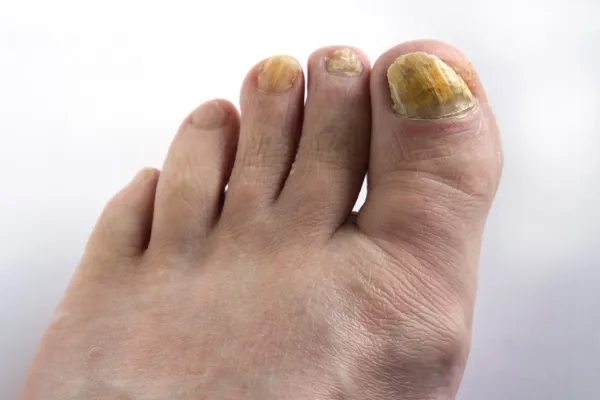
Yellow Toenails in Plymouth: Is It Fungus, Damage or Something Else?
You've just taken your socks off, looked down at your feet and noticed something rather unexpected.
One of your toenails has turned yellow.
Or perhaps several of them have gradually changed colour, and you're only just realising how different they look.
Naturally, your first thought might be:
"Oh no. I've got a fungal nail infection!"
And before you know it, you're searching the internet for treatments, wondering whether to buy a cream or considering hiding your feet in socks for the foreseeable future.
But here's something important.
Yellow toenails aren't always caused by fungus.
In fact, several different things can change the colour of your toenails, from everyday pressure and minor injuries to certain skin conditions.
At Derriford Therapies in Plymouth, we regularly see patients who are concerned about changes to their nails.
And one of the most useful things we can do is help them understand what might be causing the problem.
So, if your toenails are looking a little more yellow than usual, let's explore what could be going on.
What Should Healthy Toenails Look Like?
Healthy toenails are usually fairly smooth and slightly pink because you can see the skin underneath them.
They should grow forwards without causing pain or pressing into the surrounding skin.
However, not everyone's toenails look exactly the same.
Some people naturally have thicker nails.
Others have slight ridges or changes in nail shape.
And as we get older, our toenails can become thicker, more brittle or less smooth.
The important thing isn't whether your toenails look absolutely perfect. It's whether they've changed from what's normal for you.
If a nail has suddenly changed colour, become unusually thick or started causing discomfort, it's worth paying attention.
1. Fungal Nail Infections: A Common Cause of Yellow Toenails
Let's start with the cause most people think of first.
Fungal nail infections.
A fungal nail infection, sometimes called onychomycosis, happens when fungi infect the nail.
These organisms can enter through tiny breaks in the nail or surrounding skin.
Once established, they can affect how the nail looks and grows.
Common signs include:
Yellow, white or brown discolouration
Thickened toenails
Brittle or crumbly nail edges
A nail that looks uneven or distorted
Debris building up underneath the nail
Part of the nail lifting away from the skin
Fungal nail infections can affect one nail or several.
They're also more common in people who have athlete's foot, particularly if the skin infection keeps returning.
But here's the important bit.
A yellow, thickened toenail isn't automatically fungal.
Other nail conditions can look remarkably similar.
That's why it's worth getting advice before spending months applying treatments that may not be suitable.
2. Repeated Pressure From Your Shoes
Sometimes the explanation is sitting right there in your shoe cupboard.
Shoes that are too tight, too short or narrow around the toes can repeatedly press against your toenails.
And your nails don't always appreciate being squashed for hours every day.
Over time, this pressure can damage the nail as it grows.
You might notice:
Yellowish discolouration
Thickening
Changes in nail shape
Tenderness when wearing shoes
A nail that begins lifting away from the skin
This can be particularly common if you spend long hours on your feet or regularly wear footwear that presses against your toes.
Even shoes that feel comfortable when you first put them on may become tight later in the day.
If your yellow toenail is also painful when wearing shoes, repeated pressure could be contributing.
A podiatrist can assess the nail and discuss whether your footwear may be part of the problem.
3. An Old Toenail Injury
Have you ever dropped something on your toe?
Stubbed it against furniture?
Or worn shoes that repeatedly knocked against your big toenail?
You might have forgotten about the incident entirely.
Your toenail, however, may still remember.
An injury can damage the part of the toe where the nail grows.
This can cause the new nail to grow differently.
It may become thicker, uneven, ridged or discoloured.
Sometimes the nail gradually changes appearance over several months.
And because toenails grow slowly, the effects of an injury can last a surprisingly long time.
A big toenail can take around 12–18 months to grow out completely.
So if you're waiting for a damaged nail to return to normal, patience is definitely required.
Unfortunately, there's no way to persuade it to hurry up.
We've tried asking nicely.
It doesn't work!
4. Nail Polish Staining
Here's a cause that may come as a relief.
Sometimes yellow toenails are simply stained.
Certain nail polishes, particularly darker or strongly coloured shades, can leave a yellowish tint on the nail surface.
This is more likely if polish has been worn repeatedly or for long periods.
The nail itself may still be healthy.
You might notice that:
Several nails have a similar yellow tint.
The nails aren't particularly thick or crumbly.
There's no pain or surrounding skin irritation.
The discolouration appeared after regular nail polish use.
Staining usually grows out gradually with the nail.
However, don't assume every yellow nail is caused by polish, especially if the nail is also thickening, lifting or becoming uncomfortable.
And if you notice an unexplained colour change, covering it with more polish can make it harder to monitor.
5. Psoriasis and Other Skin Conditions
Did you know that certain skin conditions can affect your toenails?
Psoriasis is one example.
Although many people associate psoriasis with dry, scaly patches on the skin, it can also change the appearance of nails.
Possible changes include:
Yellow or brown discolouration
Small dents in the nail surface
Thickening
Nail lifting
Crumbly material underneath the nail
These changes can sometimes look very similar to a fungal infection.
And occasionally, both conditions may be present.
Other inflammatory skin conditions can also affect nail growth.
If you already have a skin condition and your toenails are changing, it's worth mentioning this during your foot assessment.
It can provide a useful clue about what might be happening.
6. Age-Related Changes
As we get older, our toenails can gradually change.
They may grow more slowly, become thicker or develop a slightly different colour.
This doesn't automatically mean something is wrong.
However, age-related changes can make nails harder to manage.
Thicker nails may become difficult to cut with ordinary nail clippers.
And if they press against the inside of your shoes, they can cause discomfort.
Sometimes older nails also become more vulnerable to repeated pressure or injury.
Even when nail changes are linked to ageing, professional podiatry care can help keep your nails comfortable and manageable.
You don't have to struggle with nail cutting simply because your nails have become thicker.
7. Could Yellow Toenails Be Linked to Your General Health?
Occasionally, yes.
Certain medical conditions can affect nail growth, thickness or colour.
One rare condition, called yellow nail syndrome, can cause nails to become thick, yellow and very slow-growing.
It may occur alongside swelling of the limbs or breathing problems.
However, this condition is uncommon.
Most yellow toenails are not caused by a serious underlying illness.
The important thing is to consider the whole picture.
For example, if several nails change suddenly or you develop other unexplained symptoms, your GP may need to investigate further.
Your toenails can provide clues about your health, but they can't diagnose a medical condition on their own.
That's why professional assessment is more useful than guessing.
How Can You Tell Whether a Yellow Toenail Is Fungal?
This is where things get a little tricky.
There isn't one single appearance that proves a nail has a fungal infection.
Fungal nails, damaged nails and nails affected by skin conditions can all look very similar.
Here are some possible clues:
Nail change | Possible explanation |
|---|---|
Yellow, thick and crumbly | Fungal infection or another nail disorder |
Yellow after repeated nail polish use | Surface staining |
One thick, yellow nail after an injury | Nail trauma |
Yellow nail with pressure from shoes | Repeated mechanical damage |
Yellow nail with small dents or lifting | Psoriasis or another nail condition |
Several yellow, slow-growing nails with other symptoms | A possible wider health condition |
These are possibilities, not diagnoses.
The only reliable way to confirm a fungal nail infection may be to test a nail sample.
A healthcare professional can advise whether testing is appropriate.
This can be particularly important before starting a lengthy course of treatment.
Should You Try Fungal Nail Treatment Yourself?
It's understandable to want to treat a yellow nail as soon as you notice it.
There are various antifungal nail products available from pharmacies.
Some can be helpful for suitable fungal nail infections.
But there are a few things worth remembering.
Firstly, not every yellow nail is fungal.
Secondly, fungal nail infections can be slow to improve.
Even when treatment works, the damaged nail doesn't suddenly turn clear overnight.
Instead, healthier nail gradually grows forwards.
For a big toenail, this can take many months.
And thirdly, some infections require prescription treatment rather than over-the-counter products.
A pharmacist or healthcare professional can help you understand the options.
If you're unsure what's causing the discolouration, getting the nail assessed before starting treatment can save time, frustration and unnecessary expense.
What About Home Remedies for Yellow Toenails?
A quick internet search will produce all sorts of suggestions.
Vinegar.
Tea tree oil.
Baking soda.
And several other things that are probably more useful in the kitchen cupboard.
Unfortunately, there's limited good-quality evidence that these home remedies reliably treat fungal nail infections.
Some may also irritate the surrounding skin.
This is particularly concerning if you have diabetes, poor circulation or reduced feeling in your feet.
Avoid applying harsh household products to your nails or trying to cut away damaged nail yourself.
If you're unsure about the cause, professional advice is a much safer starting point.
Can Yellow Toenails Return to Their Normal Colour?
Sometimes, yes.
But it depends on what's causing the change.
If the nail is stained by polish, the discolouration may gradually grow out.
If the nail has been damaged by pressure, changing your footwear may help prevent further injury.
If a fungal infection is confirmed and treated successfully, healthier nail may gradually replace the affected portion.
However, if the part of the toe responsible for nail growth has been permanently damaged, the nail may never look exactly as it did before.
And that's okay.
The most important thing is that your nails are healthy, comfortable and manageable.
Perfect-looking toenails aren't the goal.
Comfortable feet are.
How Can You Look After Yellow or Damaged Toenails?
While you're finding out what's causing the problem, a few simple habits can help protect your nails.
Keep Your Toenails Trimmed
Trim your nails carefully, following their natural shape without cutting deeply into the corners.
If they're too thick or difficult to reach, ask a podiatrist for help.
Wear Shoes With Enough Toe Room
Your toes shouldn't feel squeezed or pressed against the front of your shoes.
Allow enough room for comfortable movement.
Keep Your Feet Clean and Dry
Wash your feet regularly and dry carefully, particularly between the toes.
This is especially useful if you're prone to athlete's foot.
Avoid Picking at Damaged Nails
If part of the nail is lifting, don't pull it away.
This can injure the sensitive skin underneath.
Keep an Eye on Changes
Notice whether the discolouration is spreading, whether the nail is becoming thicker or whether new symptoms are appearing.
Taking an occasional photograph can help you monitor changes over time.
Don't Ignore Pain
Yellow nails aren't always painful.
But if a nail becomes sore, swollen or uncomfortable in shoes, it's worth getting it assessed.
When Should You See a Podiatrist About Yellow Toenails?
You don't need to panic every time a toenail changes colour.
But you also don't need to spend months wondering what's happening.
Consider booking a podiatry appointment if:
Your toenail is becoming increasingly thick or yellow.
The nail is difficult or painful to cut.
You've tried treatment without improvement.
Several nails are changing appearance.
Your nail is lifting away from the skin.
You're experiencing pressure or pain in your shoes.
You're unsure whether the problem is fungal.
Seek prompt medical advice if you develop increasing redness, swelling, discharge or severe pain around a nail.
And if you notice a new unexplained dark streak, a changing brown or black patch or pigment spreading onto the surrounding skin, arrange prompt medical assessment.
These changes aren't typical yellow nail staining and occasionally need investigation for more serious conditions.
If you have diabetes, poor circulation or reduced sensation in your feet, seek advice early about new nail problems, especially if the skin is broken.
How Can Derriford Therapies Help With Yellow Toenails in Plymouth?
At Derriford Therapies, we believe toenail problems deserve proper attention.
Not just a quick glance and a guess.
Our HCPC-registered podiatrists can assess changes in nail colour, thickness and shape, helping you understand what might be contributing.
Depending on your needs, your appointment may include:
A Professional Nail Assessment
We'll examine your toenails and discuss when you first noticed the changes.
Thickened Nail Reduction
If your nails have become unusually thick, we may be able to carefully reduce the excess thickness to improve comfort.
Professional Toenail Cutting
Ideal if your nails are difficult to manage safely at home.
Footwear Advice
If repeated pressure is contributing to nail damage, we'll discuss ways to reduce it.
Advice About Possible Fungal Infections
We'll explain whether a fungal infection is suspected and whether further testing or treatment may be appropriate.
Referral or Signposting When Needed
If a nail change suggests a condition requiring medical investigation, we'll advise you on the next steps.
And here's something we feel strongly about.
We won't tell you every yellow nail needs antifungal treatment.
Because that simply isn't true.
Our job is to help you understand your foot health and make informed decisions about your care.
Why Choose Derriford Therapies?
We're a friendly podiatry clinic based in Plymouth, helping people look after their feet since 2022.
Our HCPC-registered team believes in providing professional care in a relaxed, welcoming environment.
We offer:
Bright, modern treatment rooms
Ground-floor access with a disabled access ramp
Convenient free parking nearby
Simple online appointment booking
Friendly reception support
Honest, straightforward advice
Whether you're worried about a yellow toenail, struggling with thick nails or simply want professional foot care, we're here to help.
And please don't feel embarrassed about showing us your feet.
We've seen plenty of unusual toenails.
Yours won't be the one that sends us running for the door!
Yellow Toenails? Don't Guess at the Cause
It's easy to assume that a yellow toenail must mean fungus.
But as we've seen, there are several possible explanations.
Sometimes it's a fungal infection.
Sometimes it's repeated pressure from footwear.
And sometimes it's an old injury, nail polish staining or a skin condition.
The important thing is understanding what's causing the change before deciding how to treat it.
If your toenails have become yellow, thick or difficult to manage, our friendly team at Derriford Therapies in Plymouth is happy to help.
Book a podiatry appointment online or give our reception team a call to discuss your concerns.
Because your toenails deserve proper care, even when they're not looking their best.
Derriford Therapies — helping Plymouth put its best foot forward.

Ask Derriford Therapies And Their Team
Fill in the form to request a call from our team. One of our team members will call you for FREE and answer any questions or concerns you may have about your condition
Where To Find Derriford Therapies
If you have any questions before scheduling an appointment or for general inquiries, please use the contact us button below. Our team will promptly reach out to assist you.
Opening Hours
Monday: 09.30- 17.30
Tuesday: 09.30- 17.30
Wednesday: 08.30- 17.30
Thursday: 08.30- 17.30
Friday: 08.30- 17.30
Saturday: By appointment only
Sunday: Closed