![Non US - Podiatry [SNAPSHOT]](https://images.leadconnectorhq.com/image/f_webp/q_80/r_1200/u_https://assets.cdn.filesafe.space/JmxfbASJamGHvnyGIV0D/media/6a4b8013b10447eb52403dfa.png )
Tips & Advice From Derriford Therapies
Corns vs Calluses: What's the Difference and When Should You Get Them Treated?
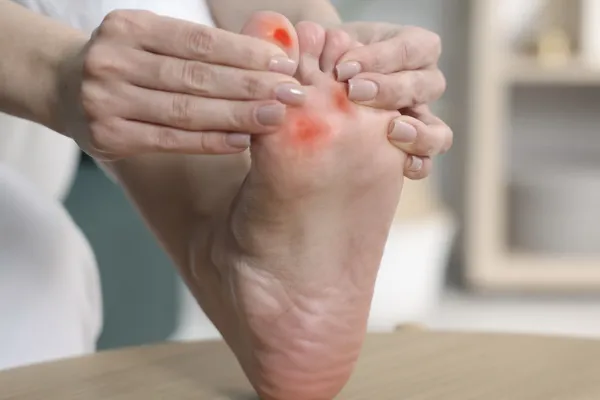
Have you ever noticed a patch of hard skin on your foot and wondered whether it's a corn or a callus?
Perhaps you've tried rubbing it away with a foot file, only to discover it comes back a few weeks later.
Or maybe you've got a tiny, painful spot on your toe that somehow manages to feel like you're walking on a drawing pin.
It's amazing how something so small can cause so much discomfort!
At Derriford Therapies in Plymouth, corns and calluses are two of the most common foot problems we see.
And while they might look similar, they're actually quite different.
Understanding what you're dealing with can help you look after your feet properly and know when it's time to get professional help.
First Things First: Why Does Hard Skin Develop?
Your skin is pretty clever.
When an area of your foot experiences repeated pressure or rubbing, your body tries to protect it by making the skin thicker.
Think of it as your feet creating their own little suit of armour.
Unfortunately, that armour isn't always particularly comfortable.
Over time, the extra layers of skin can build up, forming either a corn or a callus.
Both are caused by pressure or friction, but they develop differently.
And that difference matters when it comes to treatment.
What Is a Callus?
A callus is a larger area of thickened, hardened skin.
It's your body's way of protecting an area that regularly experiences pressure or rubbing.
Calluses often develop:
On the balls of your feet
Around your heels
Along the sides of your big toes
Underneath areas that take a lot of weight when you walk
They usually look like broad patches of yellowish or slightly grey hard skin.
Unlike corns, calluses tend to have less clearly defined edges and don't have a concentrated central core.
Some calluses cause no discomfort at all.
Others can become so thick that they create a burning sensation, tenderness or pain when walking.
And if the skin becomes extremely dry, it can sometimes crack.
Deep cracks around the heels can be particularly uncomfortable and may increase the risk of infection.
What Is a Corn?
A corn is a smaller, more concentrated area of thickened skin.
Unlike a callus, a corn usually has a firm central core that presses into the skin underneath.
This can make it surprisingly painful.
Imagine having a tiny stone permanently stuck inside your shoe.
Except taking your shoe off doesn't necessarily solve the problem.
Corns commonly develop:
On the tops of toes
Between toes
On the sides of little toes
On the balls of the feet
Over bony areas that experience repeated pressure
Some corns feel like a sharp pain when you walk, while others are uncomfortable when shoes press against them.
There are also different types of corns.
Hard corns usually develop on dry areas of skin exposed to pressure.
Soft corns tend to form between toes, where moisture keeps the skin softer. They can look whitish and feel particularly tender.
Both can make everyday activities uncomfortable.
Corns vs Calluses: What's the Difference?
Here's a simple comparison.
Feature | Corn | Callus |
|---|---|---|
Size | Usually small and concentrated | Usually larger and spread out |
Appearance | Often round with a central core | Broad, thickened patch of skin |
Common location | Toes and pressure points | Heels, balls of feet and sides of toes |
Pain | Often sharp or focused | May feel like aching, burning or pressure |
Main cause | Repeated pressure or rubbing | Repeated pressure or friction |
The important thing to remember is that both are signs your skin is dealing with repeated pressure.
Removing the hard skin may make your feet feel better, but understanding why it's developing is just as important.
Why Do Corns and Calluses Keep Coming Back?
This is probably one of the most frustrating things about hard skin.
You finally get rid of it.
Your feet feel lovely.
And then, a few weeks or months later, there it is again.
How rude!
But there's usually a reason.
If the pressure or rubbing that caused the problem hasn't changed, your skin may continue building up hard skin in the same place.
Common contributing factors include:
1. Shoes That Don't Fit Properly
Shoes that are too narrow, tight or shallow can squeeze your toes and create pressure points.
Loose shoes can also cause problems if your feet slide around inside them.
2. The Way You Walk
Everyone walks a little differently.
Some people naturally place more pressure on certain parts of their feet.
Over time, these areas may develop thicker skin.
3. Changes in Foot Shape
Bunions, curled toes and other changes in foot shape can create areas that rub against shoes or neighbouring toes.
This can encourage corns to form.
4. Long Hours on Your Feet
If your job involves standing or walking for much of the day, certain areas of your feet may experience repeated pressure.
That doesn't mean you're guaranteed to develop corns or calluses, but it can contribute.
5. Worn-Out Footwear
Those trusty old shoes might feel comfortable, but worn cushioning or uneven soles may change how pressure is spread across your feet.
Sometimes your favourite shoes aren't doing your feet quite as many favours as you think!
Can You Remove Corns and Calluses Yourself?
It's tempting, isn't it?
You notice some hard skin, grab a foot file and decide to sort it out yourself.
For mild calluses, gentle filing and regular moisturising may help keep the skin comfortable.
But there's an important difference between managing mild hard skin and trying to cut away a painful corn.
Never attempt to cut out a corn with scissors, razor blades or other sharp tools.
You could easily damage healthy skin underneath and cause bleeding or infection.
It's also worth being cautious with over-the-counter corn plasters and chemical corn removers.
Many contain salicylic acid, which works by breaking down thickened skin.
Unfortunately, it can also damage the surrounding healthy skin if used incorrectly.
If you have diabetes, poor circulation or reduced feeling in your feet, avoid self-treating corns or calluses with blades, acids or aggressive filing.
Professional advice is the safer option.
When Should You Get a Corn or Callus Treated?
Not every patch of hard skin needs professional treatment.
A small, painless callus might simply need monitoring and sensible foot care.
However, there are times when booking a podiatry appointment makes good sense.
Consider getting your feet checked if:
Walking has become painful. Even a small corn can change how you walk if you're trying to avoid pressure on it.
The hard skin keeps returning. Repeated problems may suggest an ongoing pressure point that needs attention.
You have deep cracks in your heels. These can become painful and may increase the risk of infection.
You can't manage the hard skin safely yourself. This is particularly important if you struggle to reach your feet or have reduced eyesight.
You're unsure whether it's a corn or something else. Verrucas and other skin conditions can sometimes look similar.
You have diabetes or circulation problems. Changes in your skin deserve extra care, even if they don't hurt.
If the area becomes red, hot, swollen, starts leaking fluid or develops an open wound, seek prompt medical advice rather than waiting for a routine appointment.
How Does a Podiatrist Treat Corns and Calluses?
At Derriford Therapies in Plymouth, we understand how uncomfortable hard skin can become.
And we also know that nobody particularly enjoys showing someone a painful corn they've been trying to ignore for six months.
Please don't worry.
We see these problems all the time.
Our HCPC-registered podiatrists can assess the affected area and explain what's causing the discomfort.
Depending on your needs, treatment may involve:
Professional corn removal
Using specialist podiatry instruments, we can carefully remove the thickened skin forming the corn and help reduce pressure on the sensitive tissue underneath.
Callus reduction
Thick areas of hard skin can be carefully reduced to improve comfort and make walking easier.
Footwear advice
Sometimes a simple change in footwear can make a real difference to how much pressure your feet experience.
Pressure-relieving advice
Where appropriate, we can discuss padding or other ways to reduce rubbing and pressure on troublesome areas.
Ongoing foot care
For people who regularly develop painful corns or calluses, routine podiatry appointments may help keep their feet comfortable.
The aim isn't simply to remove hard skin and send you on your way.
We want to help you understand why the problem developed and what may help stop it becoming painful again.
Does Corn Removal Hurt?
This is a question many people understandably ask.
And the good news is that professional corn removal is often much more comfortable than people expect.
Podiatrists use specialist instruments to carefully remove layers of dead, thickened skin.
Because this outer hard skin has no nerve endings, removing it is generally painless.
However, if the area underneath is particularly sensitive or inflamed, you may feel some discomfort.
Your podiatrist will explain what's happening and work carefully throughout the appointment.
Many patients notice an improvement in comfort once the pressure from a painful corn has been reduced.
Of course, everyone's feet are different, and the amount of relief depends on the underlying problem.
How Can You Help Prevent Corns and Calluses?
While it's not always possible to stop hard skin forming completely, a few everyday habits may help.
Choose shoes that fit properly.
Make sure your toes have enough room to move and that your shoes don't rub against bony areas.
Moisturise your feet regularly.
A suitable foot cream can help keep dry skin softer and reduce the chance of painful cracks developing.
Avoid applying cream between your toes unless a healthcare professional advises otherwise.
Check your feet.
Take a quick look at your feet regularly, particularly if you've had corns or calluses before.
Don't ignore discomfort.
If a particular shoe or activity keeps causing pain in the same place, it's worth finding out why.
Ask for help when you need it.
There's no prize for struggling through painful foot problems on your own.
And your feet certainly won't thank you for it!
Why Choose Derriford Therapies for Corn and Callus Treatment in Plymouth?
At Derriford Therapies, we believe good foot care should be friendly, professional and straightforward.
Our HCPC-registered podiatrists take the time to listen, assess your feet and explain your treatment options in plain English.
We don't believe in treating every appointment as just a quick nail trim or hard skin removal.
We want you to leave understanding your feet a little better than when you arrived.
Our Plymouth clinic offers:
Comfortable, modern treatment rooms
Ground-floor access with a disabled access ramp
Convenient free parking nearby
Easy online appointment booking
A friendly team who genuinely care about your comfort
Whether you're dealing with a painful corn, thick calluses or simply want help keeping your feet in good condition, we're here to help.
Your Feet Shouldn't Have to Put Up With Pain
Corns and calluses might be common, but that doesn't mean you have to accept discomfort every time you put your shoes on.
And while both develop as your skin tries to protect itself, the right care can make a real difference to how comfortable your feet feel.
If you've been putting off getting that painful corn checked, consider this your gentle reminder.
Your feet carry you around all day.
They deserve a little attention now and then.
Need help with painful corns or hard skin in Plymouth?
Book an appointment with our friendly team at Derriford Therapies, or give our reception team a call to discuss your needs.
Because walking should feel comfortable — not like you've got a drawing pin hiding in your sock!
Derriford Therapies — helping Plymouth put its best foot forward.

Ask Derriford Therapies And Their Team
Fill in the form to request a call from our team. One of our team members will call you for FREE and answer any questions or concerns you may have about your condition
Where To Find Derriford Therapies
If you have any questions before scheduling an appointment or for general inquiries, please use the contact us button below. Our team will promptly reach out to assist you.
Opening Hours
Monday: 09.30- 17.30
Tuesday: 09.30- 17.30
Wednesday: 08.30- 17.30
Thursday: 08.30- 17.30
Friday: 08.30- 17.30
Saturday: By appointment only
Sunday: Closed